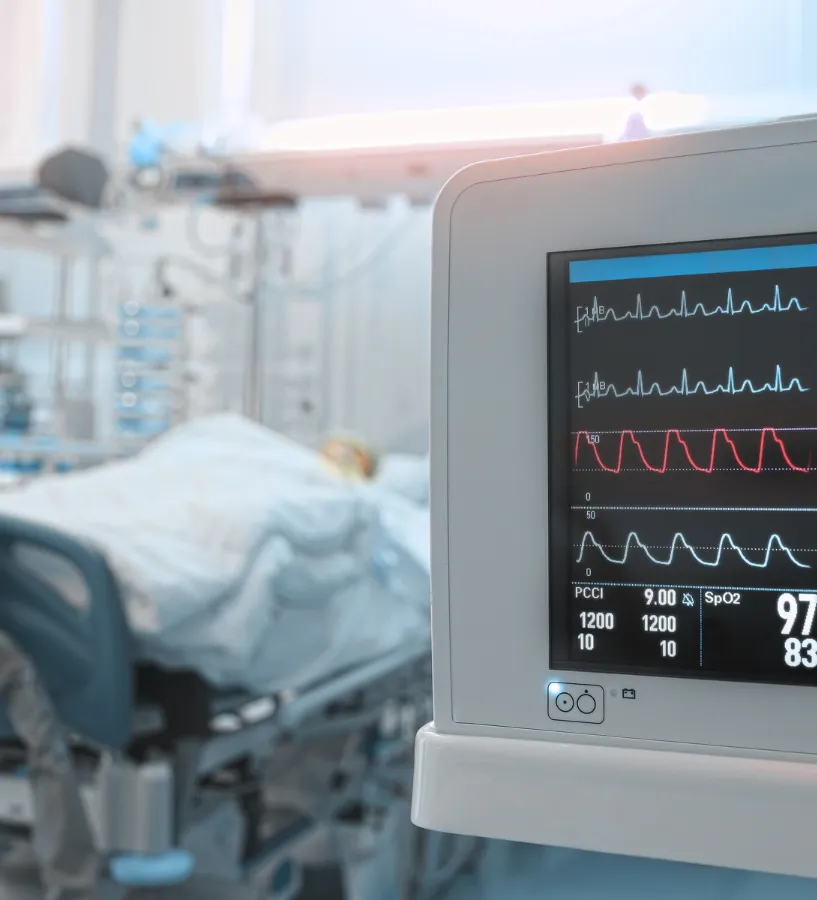
Hospitals can choose one service, combine multiple services, or adopt a phased approach to strengthen Emergency and Critical Care delivery.

HM Tele-Emergency ensures expert decision-making is available round the clock, without the cost of full-time on-site specialists.
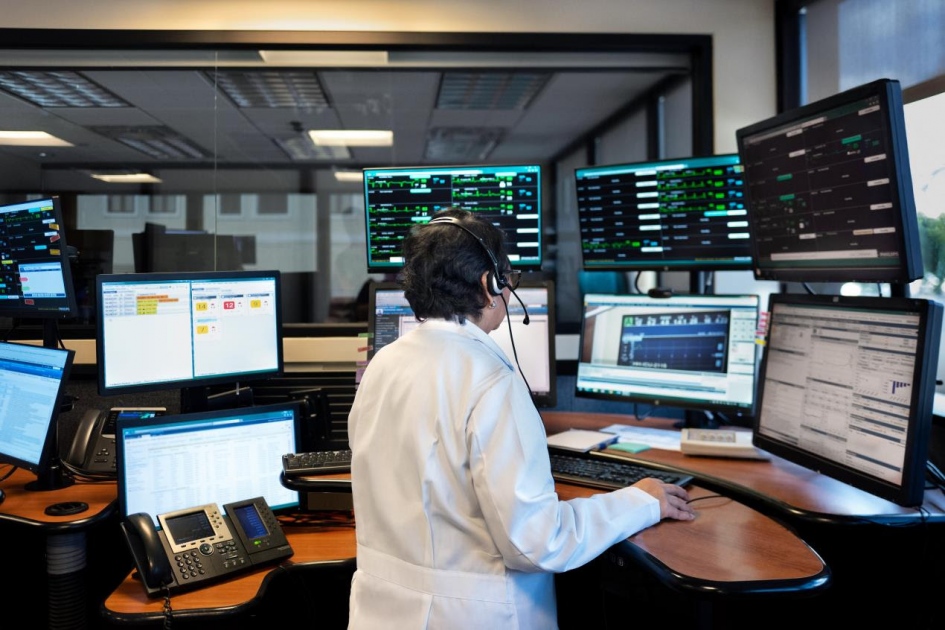
ICU patients can deteriorate at any time. HM Tele-ICU provides continuous specialist oversight, supporting bedside teams remotely.
Tele-ICU can be implemented independently or integrated with on-site ICU services.

This model provides continuous specialist support across Emergency and ICU.

Compare service models to identify the most suitable Emergency and Critical Care approach for your hospital’s size, capability, and growth stage.
| Service Model | On-Site Specialists | Remote Specialist Support | Cost Level | Best Suited For |
|---|---|---|---|---|
| Full On-Site ED + ICU | Yes | No | High | Large, high-volume hospitals |
| Integrated ICU-ED Model | Yes | Optional | Moderate | Mid-sized hospitals |
| On-Site ED Only | Yes | No | Moderate | Hospitals with low ICU load |
| HM Tele-Emergency (Tele-ED) | No | Yes (24×7) | Low | Small to mid-sized hospitals |
| HM Tele-ICU | No | Yes (24×7) | Low | ICUs with limited manpower |
| Tele-ED + Tele-ICU | No | Yes (24×7 both) | Low–Moderate | Peripheral & growing hospitals |
| Hybrid (On-site + Tele) | Partial | Yes | Flexible | Phased growth models |
Hospitals can start with tele-services and scale to on-site services as volume and revenue increase.